
Tags/ Keywords
❤️
😂
Emoji Picker
Find, copy, and use emojis easily
❓ What it means
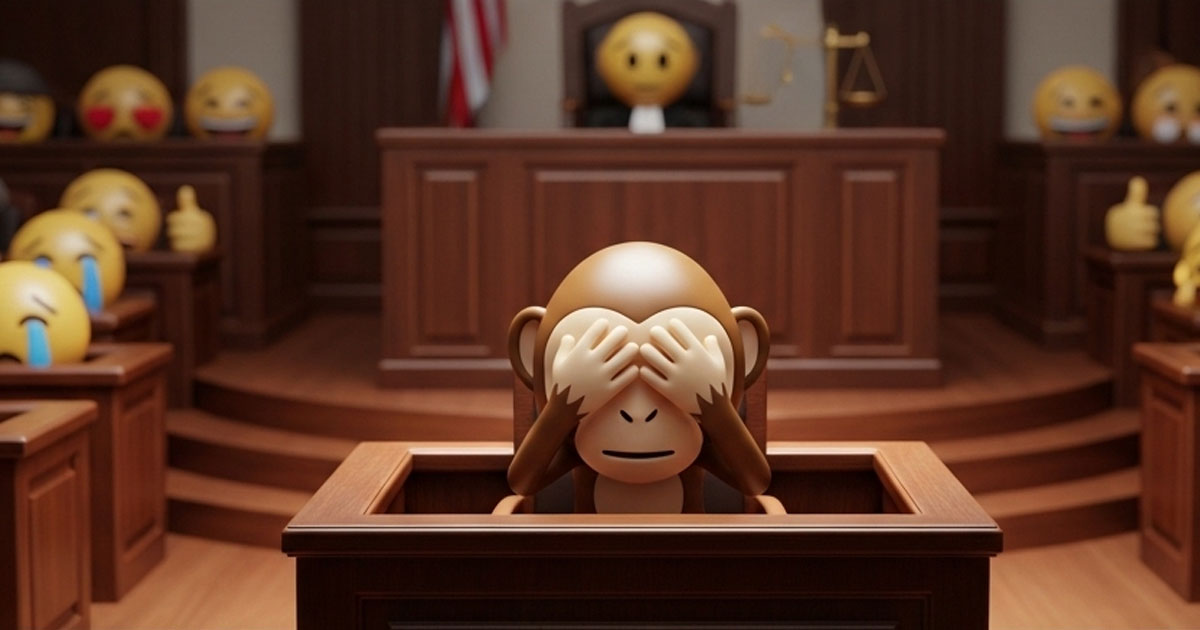
The 🙈 emoji is the digital representation of covering one’s eyes to avoid seeing something.
It features a monkey’s face with its hands placed over its eyes, as if blocking a view.
This emoji is directly inspired by the “Three Wise Monkeys” proverb and its central idea of not looking at what is bad or evil.
In modern use, it’s most often used to convey a sense of shyness, embarrassment, or to say “I can’t look!” in response to something awkward, shocking, or cute.
🎯 When to use it
- To avoid seeing a spoiler:
"Don't tell me what happens next!🙈" - When you’re embarrassed by a memory:
"I'm cringing just thinking about that!🙈" - As a playful way to say “I don’t know”:
"I didn't see anything..." - To react to something you find unbearably cute:
"That video of the puppy is too much!🙈"
🔗 Related Emojis
- 🙉 Hear-No-Evil Monkey: The second of the three wise monkeys, used for not wanting to hear something.
- 🙊 Speak-No-Evil Monkey: The third of the three wise monkeys, used for not wanting to say something.
- 😳 Flushed Face: A similar emoji for conveying a sense of embarrassment or being flustered.
- 🤦 Person Facepalming: A more direct emoji for expressing a mix of shame, disbelief, and embarrassment.
🤓 Fun Fact
The 🙈 “See No Evil Monkey” emoji is a modern adaptation of a centuries-old Japanese proverb.
The original “Three Wise Monkeys” are Mizaru (see no evil), Kikazaru (hear no evil), and Iwazaru (speak no evil), and they are a famous symbol at the Tōshō-gū shrine in Nikkō, Japan.
The use of monkeys is a pun in Japanese, as the words for “no” and “monkey” are pronounced similarly.
The emoji’s cultural roots give it a deeper meaning beyond its digital use.